At first glance, 2025 looked to be Hollywood’s triumphant return to the top of the cinematic heap, following a global pandemic and two industry-wide strikes. However, the cracks in the foundation were still evident: International features outshone domestic ones more and more, while studios continued to litigate the ethics of streaming versus theatrical releases and the artistic merits (or lack thereof) of generative AI.
Still, even amid the upheaval, there were movies worth seeing and acknowledging—and this list aims to highlight the best, brightest, and bizarre-est of the bunch. Here are my (alphabetical) picks for the best movies of 2025.
“Frankenstein”
“You gave me life unwanted. I give it back to you. You thought me a monster. Now I return the favor.”
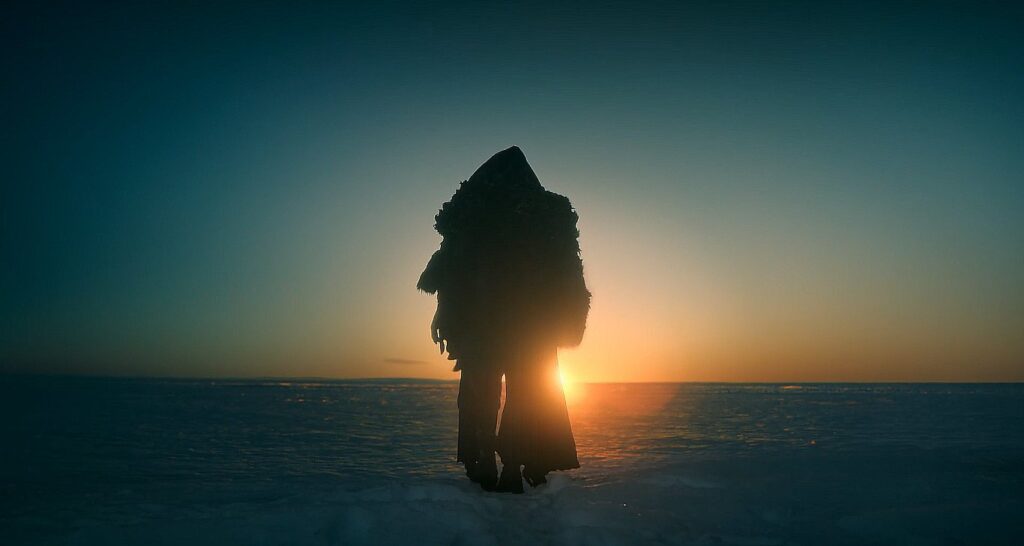
After a period of development hell lasting the better part of two decades, Guillermo del Toro finally managed to give audiences his take on “The Modern Prometheus.” The result? Dark, romantic, gothic science-fiction steeped in Byronian angst, Miltonian tragedy, and good old Catholic guilt.
While many Mary Shelley adaptations are eager to depict the Creature as a mindless brute, Jacob Elordi breathes life, passion, and pathos into Hollywood’s favorite monster—perhaps a bit too much pathos, given that del Toro strips away the Creature’s moral ambiguity (but what can one expect from the Patron Saint of Monsterfuckers?).
Regardless, del Toro and company have crafted an adaptation for the ages: a film that, above all, emphasizes the horror and the beauty that mankind is capable of.
“Lost in Starlight”
“Waiting indefinitely…. Honestly, sometimes, it hurts quite a bit. But if there’s anything as certain as the pain, it’s that I’ll never give up on you. So please, don’t give up on me either.”
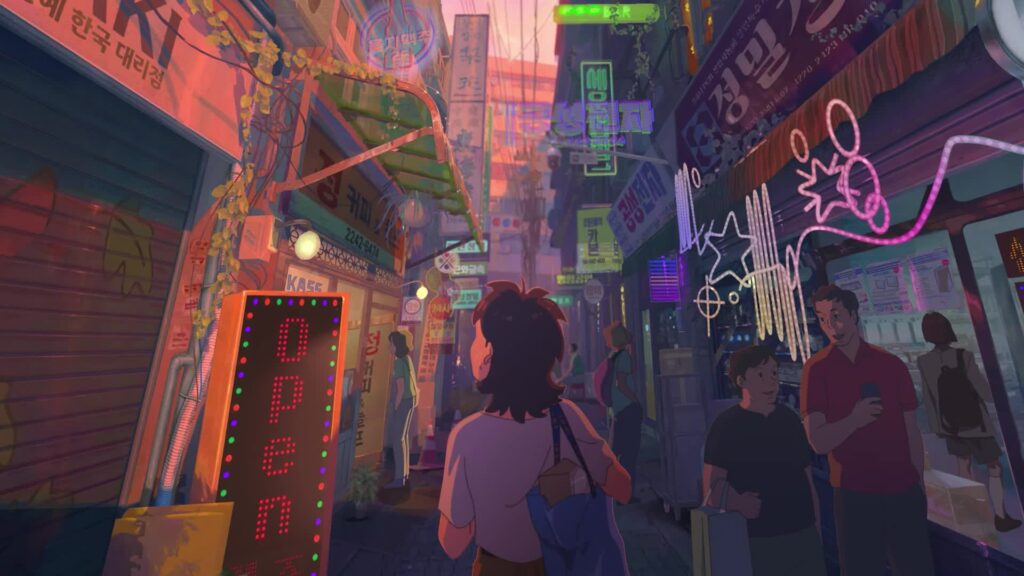
This Korean romantic drama about an astronaut falling in love with a musician flew under the radar for many viewers—but in a year where American animation stagnated in sequels and artistically bankrupt live-action remakes, “Lost in Starlight” is an example of the wonders this medium is capable of. Directed by Han Ji-won, the film is a gorgeous odyssey from a futuristic Seoul to the surface of Mars, heightened by Park Sung-joon’s effervescent score and a tender, engrossing romance at the center of it all. You end up falling in love with Nan-young (Kim Tae-ri) and Jay (Hong Kyung) just as much as they fall for each other in this grandiose but intimate journey across the stars.
“One Battle After Another”
“You know what freedom is? No fear. Just like Tom fuckin’ Cruise.”
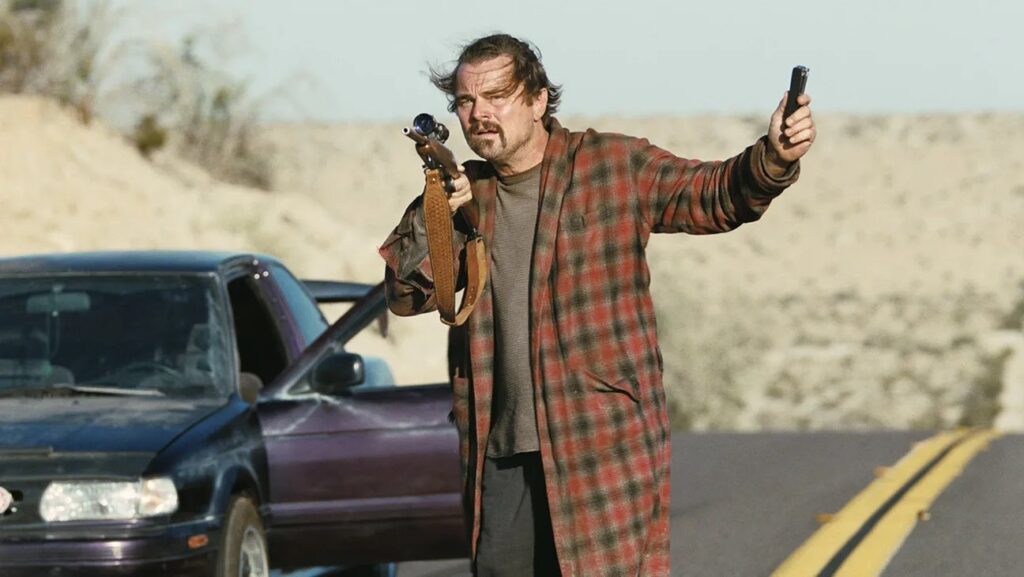
I’ll admit to being hit-or-miss on Paul Thomas Anderson, but this parodic take on the action-thriller genre reaffirms that the man knows how to craft an epic. Loosely based on Thomas Pynchon’s “Vineland,” the film sees Leonardo DiCaprio shedding his Tinseltown glamour to play a schlubby stoner opposite Sean Penn, who channels his dramatic intensity into a preening, racist buffoon. Both turn in the funniest performances of their storied careers—and with a strong supporting cast, a collection of unforgettable car chases, and an all-too-timely message about resisting tyranny, “One Battle After Another” is a sure-to-be Oscar darling and a fine addition to PTA’s inimitable filmography.
“Sentimental Value”
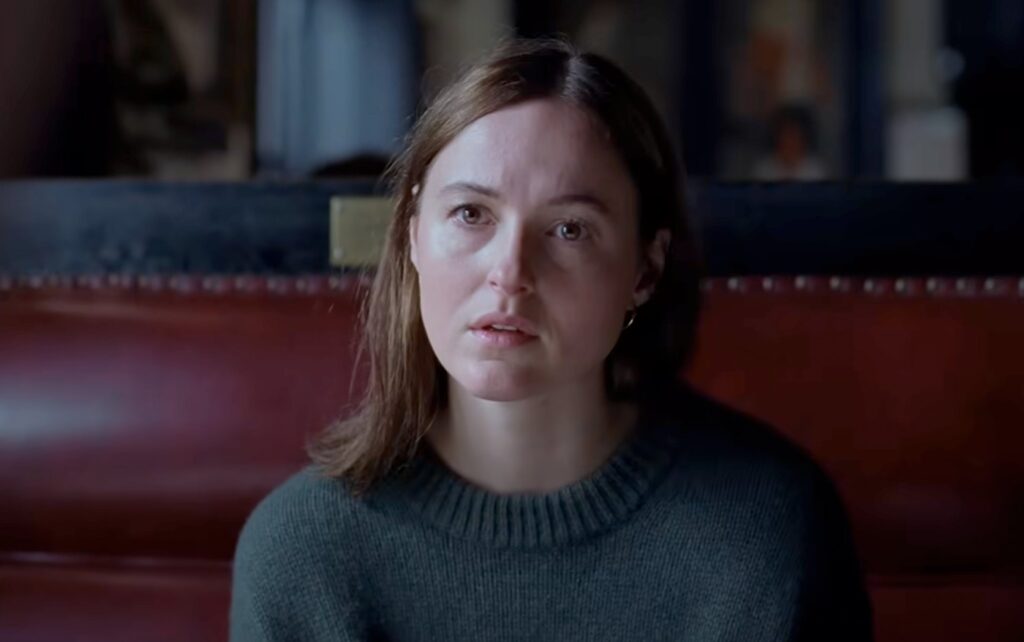
“There’s one major difference in the way we grew up: I had you. I know you think you’re incapable of caring, but you were there for me.”
Joachim Trier spins sadness into gold in this understated Norwegian family drama, exploring how art can both hurt and heal the people who make it. Renate Reinsve, Inga Ibsdotter Lilleaas, and Stellan Skarsgård give subtle performances that can break your heart with a look, working in gorgeous harmony with a restrained script and direction. Above all, the film is a reminder that while family and art can drive us crazy, they can also lift us up and reveal truths we didn’t know we needed to know—leading to strength and sharpness possible because of discomfort and despair.
“Sinners”
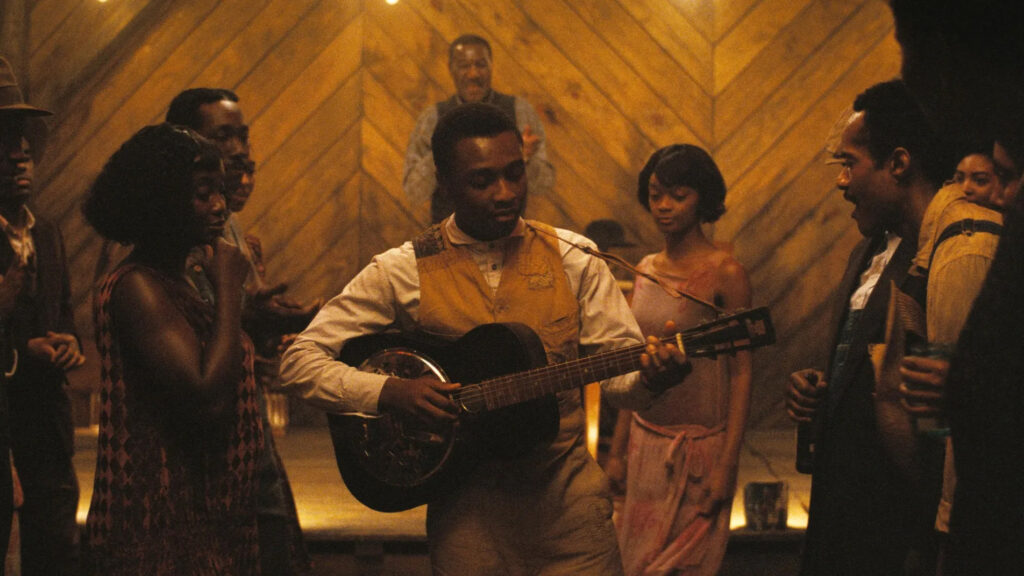
“Blues wasn’t forced on us like that religion. Nah, son, we brought that with us from home. It’s magic what we do. It’s sacred. And BIG. With this here ritual, we heal our people and we be free.”
In perhaps the most spellbinding sequence I saw in a theater this year, a young griot (Miles Caton) sings a song so pure it peels back the history of Black American music, showing an unbroken line from folk songs and spirituals to blues and jazz to rock, funk, psychedelica, hip-hop, and beyond. In this moment, Ryan Coogler makes the case for Black art as a sacred text that has the power to unite and liberate a fractured people. Club Juke is our temple and Caton is our preacher, quoting the Book of Charley Patton.
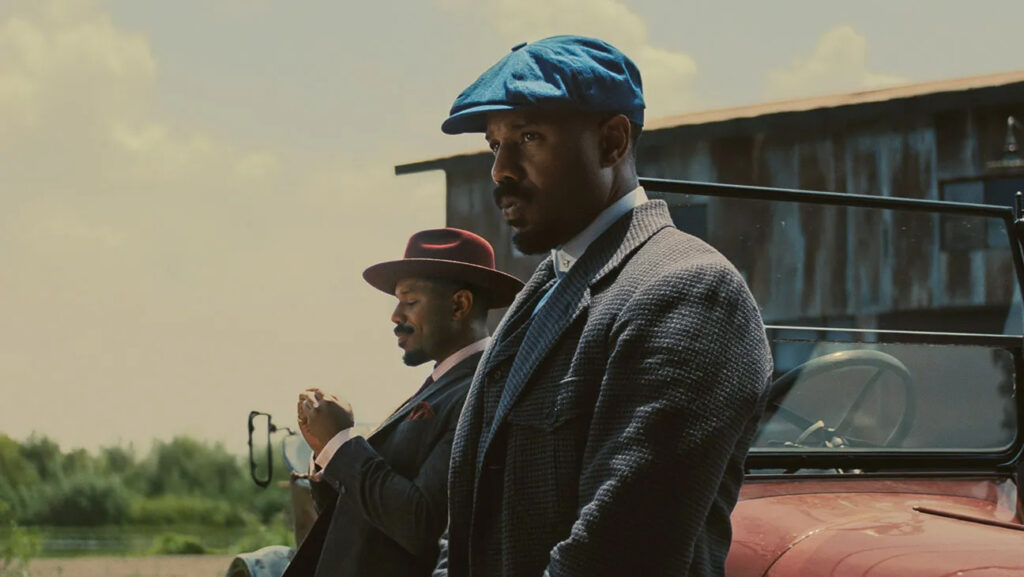
Surrounding that scene is a sharply constructed horror adventure that remixes vampire lore with hoodoo mythology. Fears of cultural parasitism and assimilation are given monstrous form by an exceptional cast and note-perfect direction, making “Sinners” the most unique blockbuster in years…and proof that Coogler is a filmmaking force to be reckoned with.
“Sly Lives! (aka The Burden of Black Genius)”
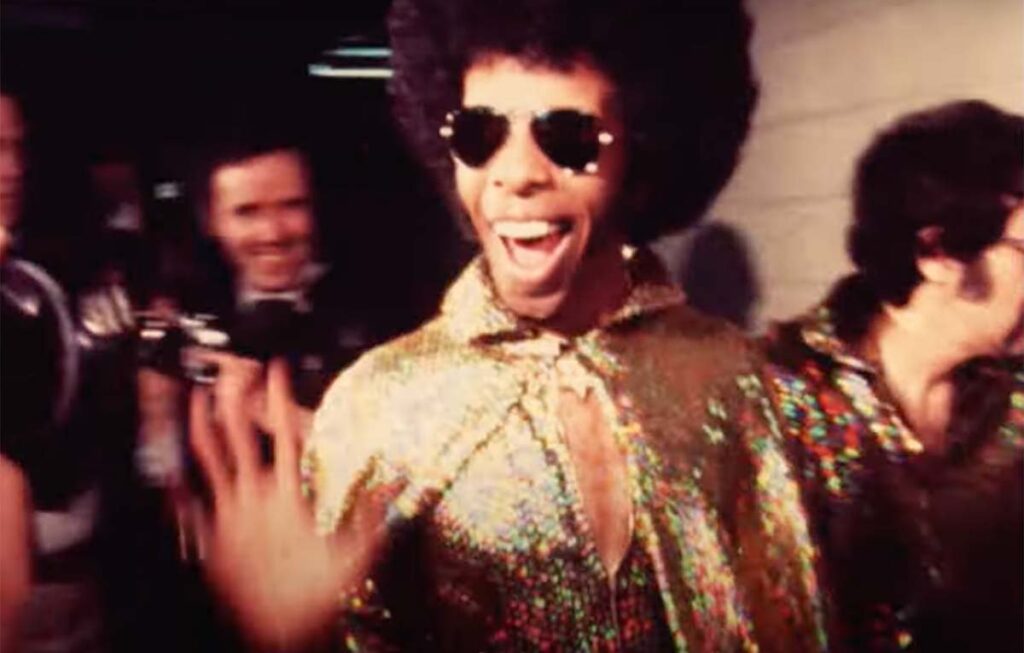
“The one question that confronts Black artists at whatever level is ‘Who do you think you are?’”
Amir “Questlove” Thompson’s second jawn is a Family Affair. Sly Stone could Sing a Simple Song and make Everyday People Dance to the Music just as easily as he could inspire the Underdog to Stand by assuring them You Can Make It If You Try. However, anxiety and drug addiction made him Just Like a Baby, Runnin’ Away crying I Cannot Make It. Through interviews with bandmates and admirers, Questlove sifts through the Luv n’ Haight to highlight this iconic Poet whose influence has proven, time and again, that Everybody Is a Star.
“Superman”
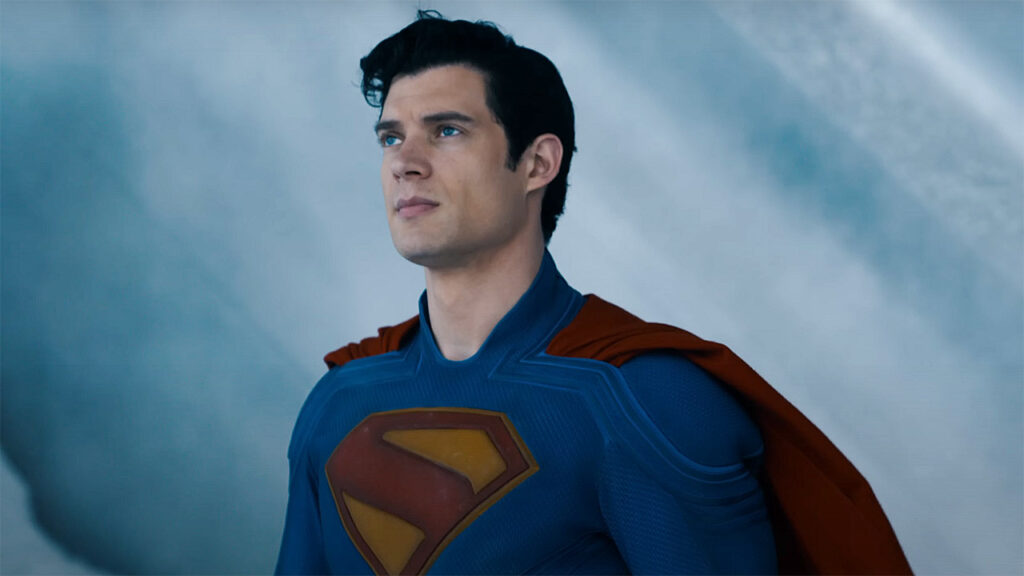
“That is where you’ve always been wrong about me, Lex! I am as human as anyone. I love, I get scared. I wake up every morning, and despite not knowing what to do, I put one foot in front of the other, and I try to make the best choices that I can. I screw up all the time, but that is being human, and that’s my greatest strength. And someday, I hope, for the sake of the world, you understand that it’s yours too.”
This is the Superman movie I’ve been waiting for: a film that combines the lavish mythmaking of Richard Donner, the blockbuster action of Zack Snyder, and the optimism and sentiment that countless writers and artists have built into the character since 1938. James Gunn not only reaffirms the Last Son of Krypton as a cinematic icon, he vividly realizes a rich cast of supporting characters, recognizing that Lois Lane and Jimmy Olsen are just as important as Clark Kent and Lex Luthor. Plus, in the margins lies a fully formed take on the DC universe (and all the wonderful strangeness that entails) begging further exploration. That’s why, for the first time in a long time, DC fans can look up and see a brighter future for the Man of Tomorrow.
“Train Dreams”
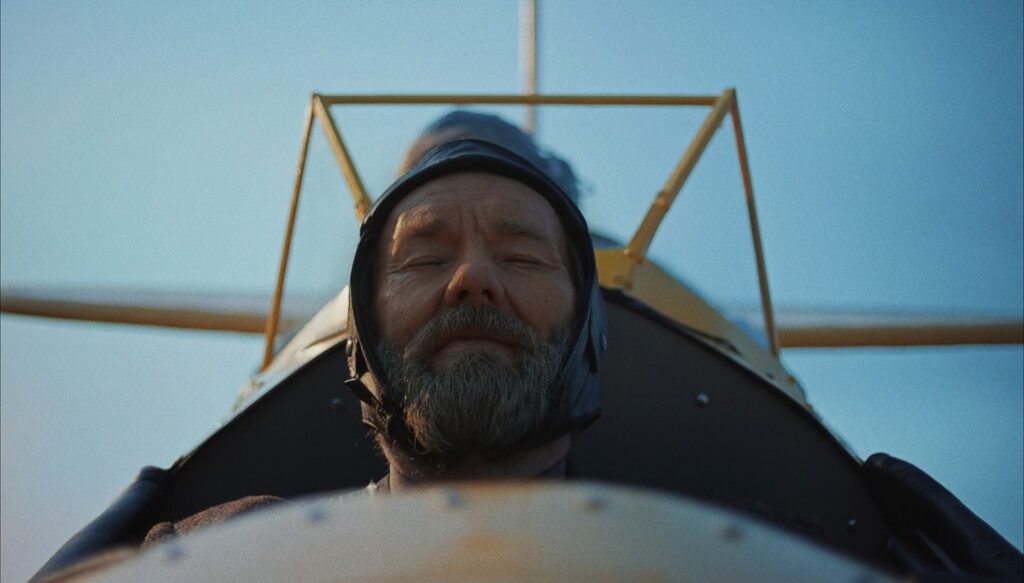
“There were once passageways to the old world; strange trails, hidden paths. You’d turn a corner and suddenly find yourself face-to-face with the great mystery, the foundation of all things. And even though that old world is gone now, even though it’s been rolled up like a scroll and put somewhere, you can still feel the echo of it.”
In terms of pure immaculate vibes, few films in 2025 could match “Train Dreams”’s groove. Clint Bentley’s adaptation of Denis Johnson’s novella is both epic in scope and modest in intention, showing the outsized impact of an ordinary life. Between Joel Edgerton’s understated, vulnerable performance, Bryce Dessner’s haunting score, and Bentley’s eye for the natural beauty of the Pacific Northwest, “Train Dreams” is the trip to the woods you didn’t know you wanted to take.
“The Ugly Stepsister”
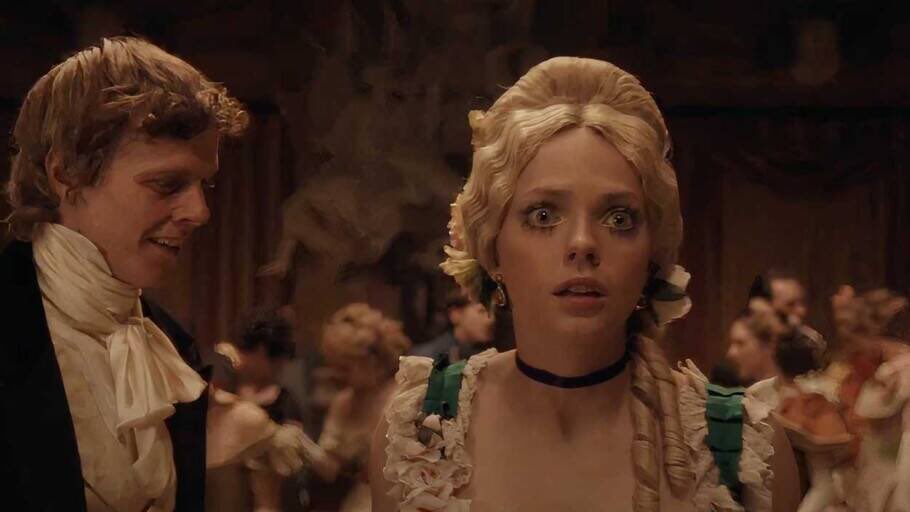
“Beauty is pain.”
If there’s one thing I’m a sucker for, it’s using the framework of fairy tales to tell modern stories. Emilie Blichfeldt’s “The Ugly Stepsister” scratched that itch just as much as it made me gag, twisting “Cinderella” into a brutal body-horror satire. True, star Lea Myren is nobody’s idea of ugly, but she sells the insecure desperation of a woman who knows her looks are the only currency she has, resulting in one of the finest performances I saw all year. A tale of 19th-century cosmetic surgery that makes “The Substance” look restrained and artful by comparison, “The Ugly Stepsister” is gruesome, earnest, and altogether brilliant—the best movie I can’t bring myself to watch again (at least not on a full stomach).
“Wake Up Dead Man”
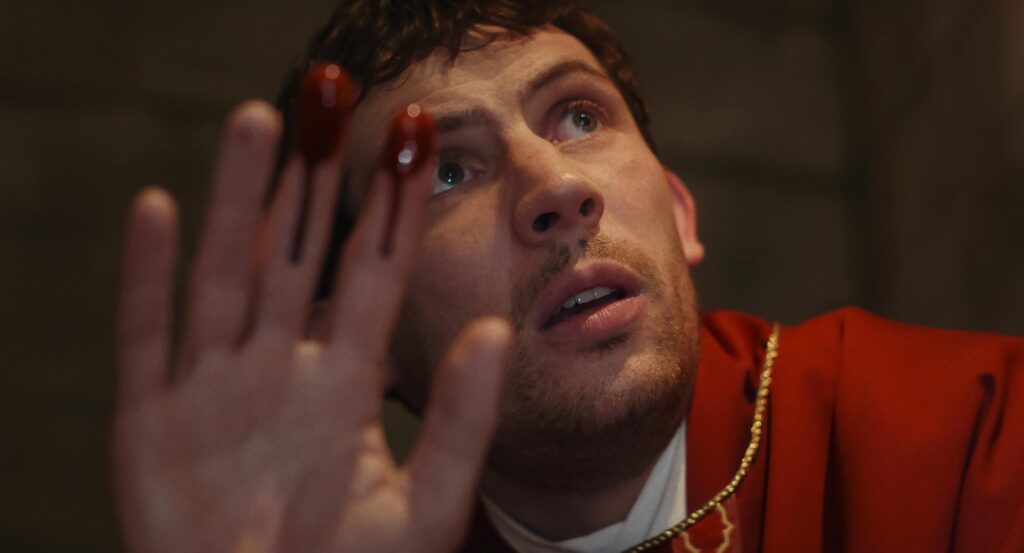
“You’re right. It’s storytelling. The rites and the rituals. Costumes, all of it. It’s storytelling. I guess the question is, do these stories convince us of a lie? Or do they resonate with something deep inside us that’s profoundly true, that we can’t express any other way except storytelling?”
Benoit Blanc’s third whodunnit pits him against a (possibly) supernatural killing and a (potentially) divine resurrection, giving writer-director Rian Johnson the opportunity to explore complex questions of faith and redemption. Josh O’Connor, Glenn Close, and Josh Brolin give life to conflicting viewpoints, clashing in front of a peanut gallery of funny familiar faces (including Andrew Scott, Kerry Washington, and Jeremy Renner). And as always, Johnson’s expertise in the mystery genre and Daniel Craig’s commitment to the bit keep the whole thing together and leave you eagerly anticipating the next case for the Last of the Gentleman Sleuths.
Honorable Mentions: “The Day the Earth Blew Up: A Looney Tunes Movie,” “No Other Choice,” “Orwell: 2 + 2 = 5,” “Sorry, Baby,” “The Toxic Avenger”