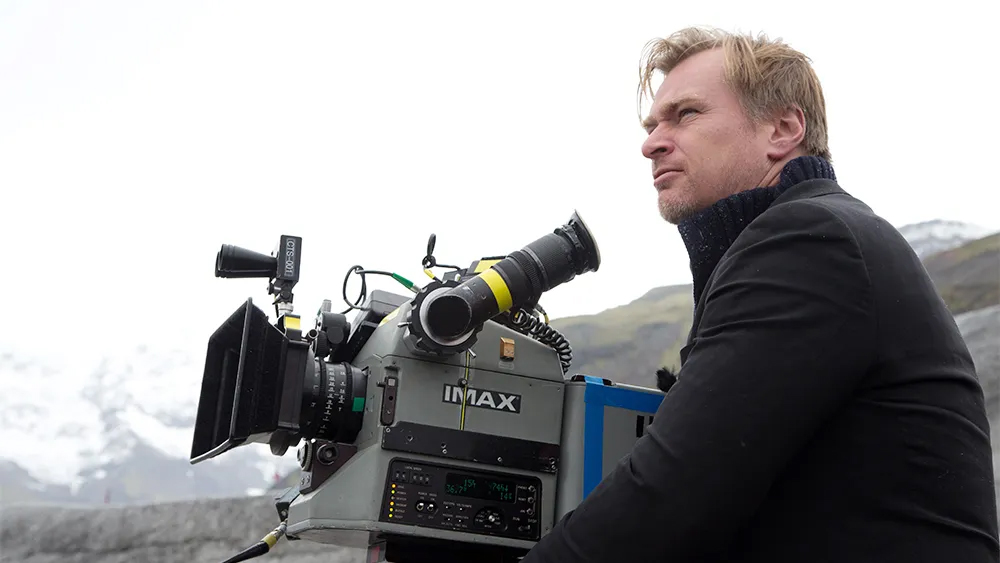
In 2013, Danish director Nicolas Winding Refn proclaimed that every movie demands “a scene that is the heart that blood flows through in every other scene”—like the swoon-worthy, slow-motion kiss that is followed by the crushing of a hitman’s skull in Refn’s “Drive” (2011).
A swirl of tenderness and violence, that scene solidifies the transformation of the Driver (Ryan Gosling) into a brutal automaton (alienating him from his beloved Irene, played by Carey Mulligan). Yet in its first incarnation, it was far more conventional, leading editor Matthew Newman to propose a dramatic change: confining the action to an elevator.
“He said, ‘Well, remember there’s that [Takeshi Kitano] movie with the shoot-out in the elevator,’” Refn told journalist Simon Abrams. “‘What about finding a space for that? Then in a way, he can kiss her before smashing the guy’s head in.’ And I shot that slow motion while the light in the elevator dims.”
While Refn’s account would seem ripe for weaponization by opponents of the auteur theory—which hails the director as the primary author of a film—I’m not so sure. After all, what exactly does a primary author do? Exact maniacal control over a sprawling production? Or absorb all the inspiration their compatriots can muster?
Personally, I lean toward the latter, though I don’t think that diminishes the auteur theory. On the contrary: It is through the act of saying “yes” or “no” to ideas that styles and statements emerge, making directing a solo sprint that is also an intramural sport.
That dichotomy dominated my thoughts as I interviewed critics and fans about 15 filmmakers who have helped set the course of 21st century cinema, an act of hero worship that inevitably became a testament to trend-setting collaborations. (Would Terrence Malick have made the cut without Emmanuel Lubezki’s succulent cinematography? Thankfully, we’ll never have to find out.)
Through each conversation, I gained insight into individual artists and the people who are passionate about them. I learned that one of my guests was raised Catholic; that one used to walk the same Dallas, Texas, streets where Wes Anderson filmed “Bottle Rocket” (1996); and that one owns a reptile (I didn’t ask what kind).
It took me a while to recognize that just as filmmakers seek to connect with their audience, I wanted to connect with the people I interviewed—even (especially!) when they picked directors I couldn’t abide. Seeing artists through the eyes of others wasn’t a pain; it was the point.
The resulting list is hardly definitive. (Where’s the fun if readers aren’t galled by some of our bolder omissions?) It is, however, a useful pantheon for anyone who wants to understand both the movies of the moment and what directing is.
My personal definition? First, you listen. Then, call “Action!” before the light dims.
Paul Thomas Anderson
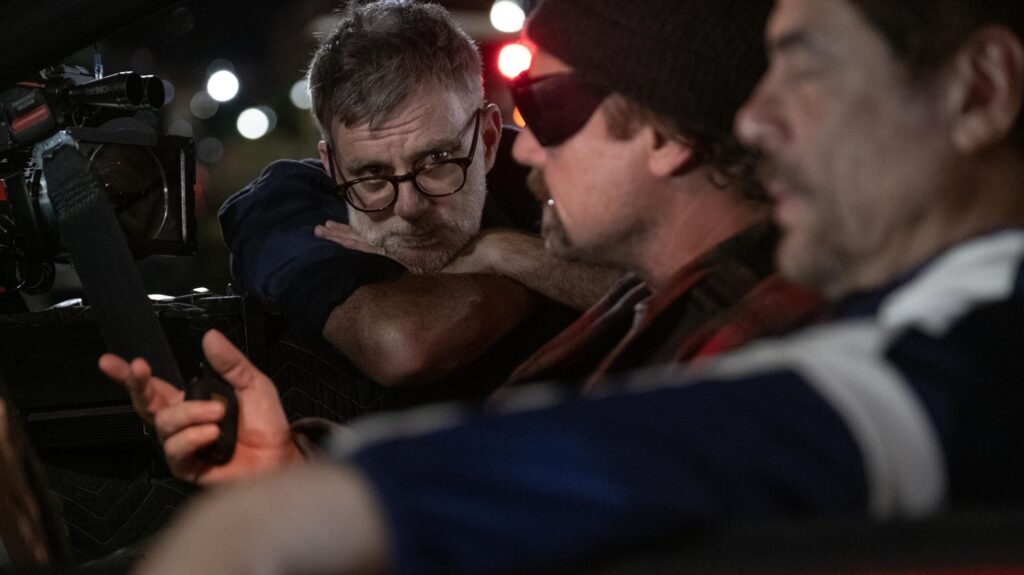
Born: June 26, 1970, in Los Angeles, California
Essential films: “Boogie Nights,” “Magnolia,” “There Will Be Blood,” “The Master,” “One Battle After Another”
Marc Mohan says: “There’s the famous Scorsese metaphor of the director as a smuggler, and Anderson [is likely] the most successful practitioner of that currently working. ‘The Master’ is probably my favorite of his films. It’s not so much about Scientology as it is about the trauma that came in the wake of World War II—and [Joaquin Phoenix’s character] as a representative of American manhood that was scarred by that experience and the way that things like Scientology emerged as coping mechanisms.”
Listen to more of Marc’s analysis of Paul Thomas Anderson on the Fools Who Dream Movies Podcast.
Wes Anderson
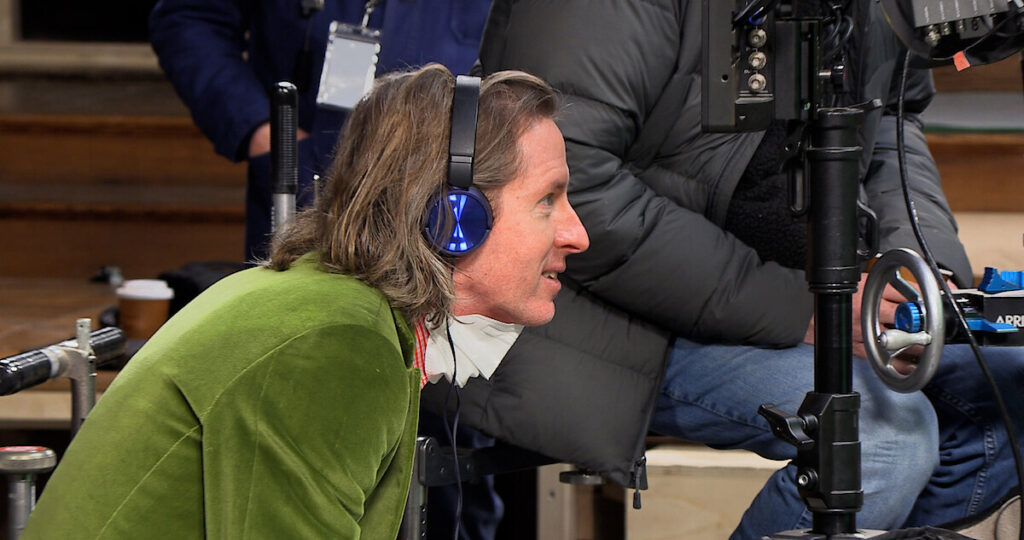
Born: May 1, 1969, in Houston, Texas
Essential films: “Bottle Rocket,” “Rushmore,” “The Royal Tenenbaums,” “The Life Aquatic With Steve Zissou,” “Fantastic Mr. Fox,” “The Grand Budapest Hotel”
Ray Gill Jr. says: “[‘Bottle Rocket’] was kind of made in my own backyard. Being from Texas, I recognize a lot of those streets they were on—and having a Texas filmmaker made me even more interested in what [Wes Anderson] was up to. In ‘Rushmore,’ you see his style develop even more. He really hides a lot of his meaning in cool, or you can call it style. I just think it’s cool.”
Listen to more of Ray’s analysis of Wes Anderson on the Fools Who Dream Movies Podcast.
Ethan Coen and Joel Coen
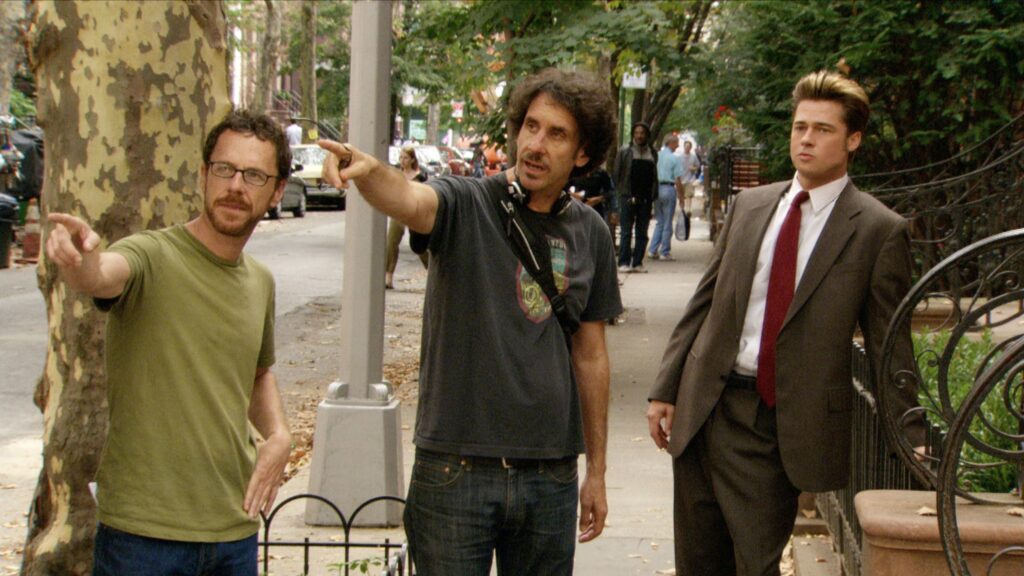
Born: November 29, 1954 (Joel), and September 21, 1957 (Ethan), in St. Louis Park, Minnesota
Essential films: “Miller’s Crossing,” “Barton Fink,” “The Big Lebowski,” “O Brother, Where Art Thou?,” “No Country For Old Men,” “Inside Llewyn Davis”
Lucy Gordon says: “I really love [what] I call their ‘gay era,’ which is ‘Miller’s Crossing’ and ‘Barton Fink.’ ‘Miller’s Crossing’ is my number one Coen Brothers movie of all time. I watched it for the first time when I was a high schooler—didn’t really understand entirely what was happening because the language was just so thick and dense, but nonetheless found it absolutely hilarious and kept coming back to it and finding more and more rich subtext in there.”
Listen to more of Lucy’s analysis of the Coen Brothers on the Fools Who Dream Movies Podcast.
Ryan Coogler
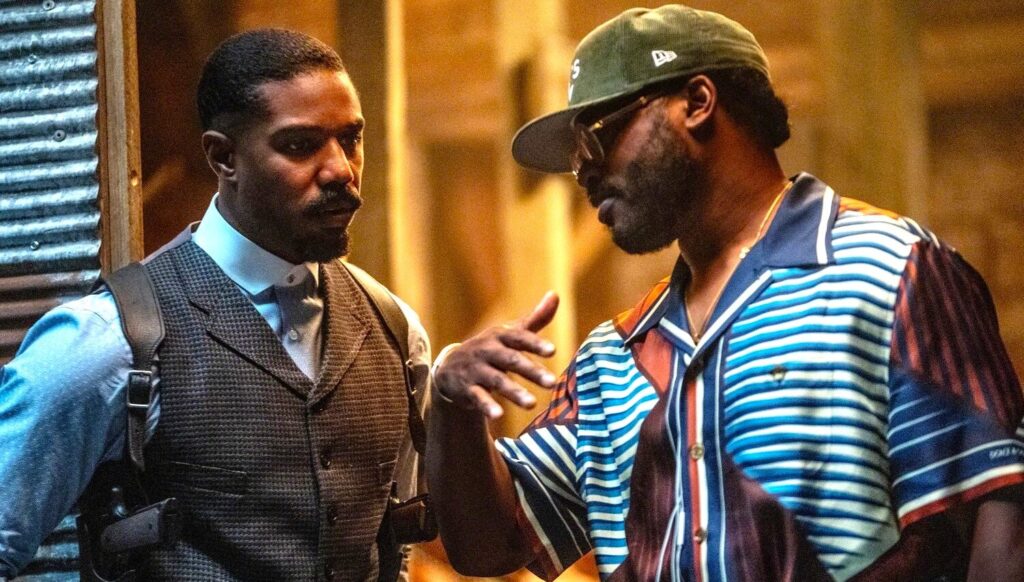
Born: May 23, 1986, in Oakland, California
Essential films: “Fruitvale Station,” “Creed,” “Black Panther,” “Sinners”
Mike Ornelas says: “He’s touched so many corners of genre already—and it seems as if he’s mastered them. I think it’d be fascinating to see him do a movie about making a movie. With Coogler’s touch, [you could] do an examination of what it means to be a person, a creative of color, and try to make a movie. If Coogler were to go down the road of examining Hollywood with that cultural lens and examine what it’s like to navigate the industry, I think [it could be] incredibly important to do that now more than ever.”
Listen to more of Mike’s analysis of Ryan Coogler on the Fools Who Dream Movies Podcast.
Guillermo del Toro
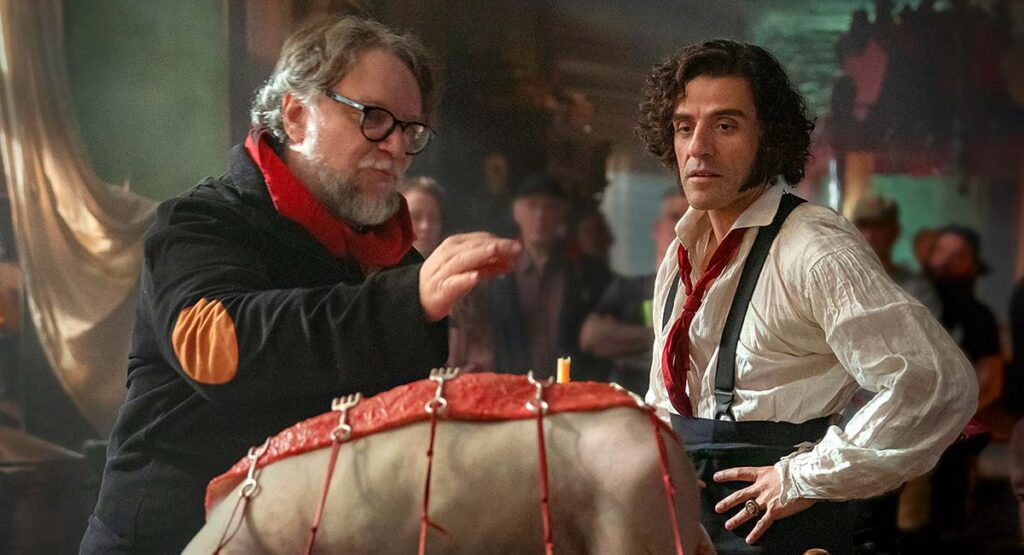
Born: October 9, 1964, in Guadalajara, Mexico
Essential films: “The Devil’s Backbone,” “Pan’s Labyrinth,” “Pacific Rim,” “The Shape of Water,” “Pinocchio”
Eric Ash says: “He and I both were raised Catholic. I see that influence in most of his work—but also, his vision is always just fantastical and very off-kilter. If you can see yourself as one of his protagonists who doesn’t really fit into the world and chafes against excessive authority, then that’s the greatest appeal to me.”
Listen to more of Eric’s analysis of Guillermo del Toro on the Fools Who Dream Movies Podcast.
Robert Eggers
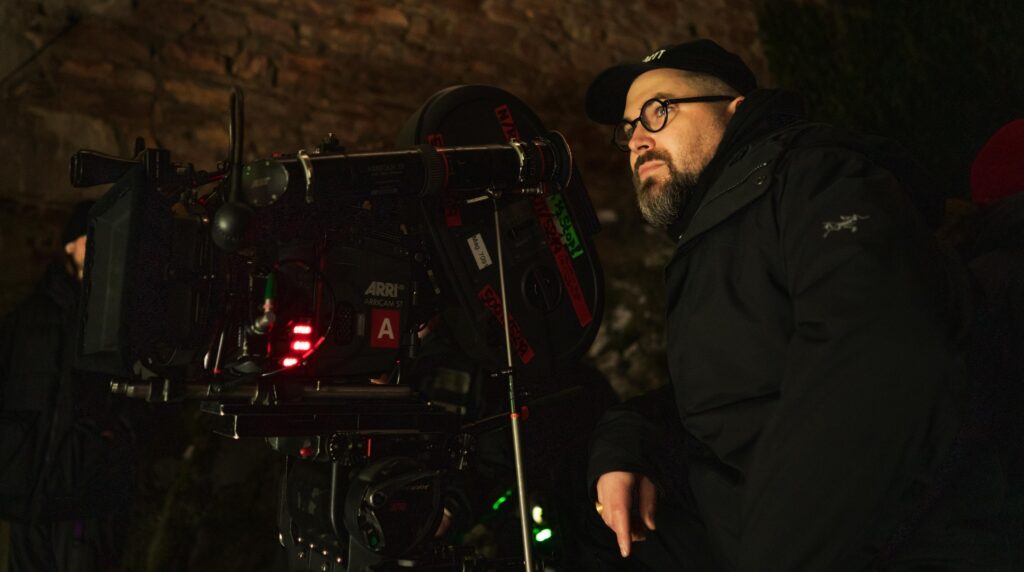
Born: July 7, 1983, in Lee, New Hampshire
Essential films: “The Witch,” “The Lighthouse,” “Nosferatu”
Chad Liffman says: “He invites you into a world—often a world that did exist. He wants you to feel like folks did in that time period, or within that mythological stage. He wants you to feel the tension, he wants you to feel the humor, he wants you to feel like a human with all the beliefs, fallacies, dark thoughts, and all the nature that comes from being transported.”
Listen to more of Chad’s analysis of Robert Eggers on the Fools Who Dream Movies Podcast.
James Gray
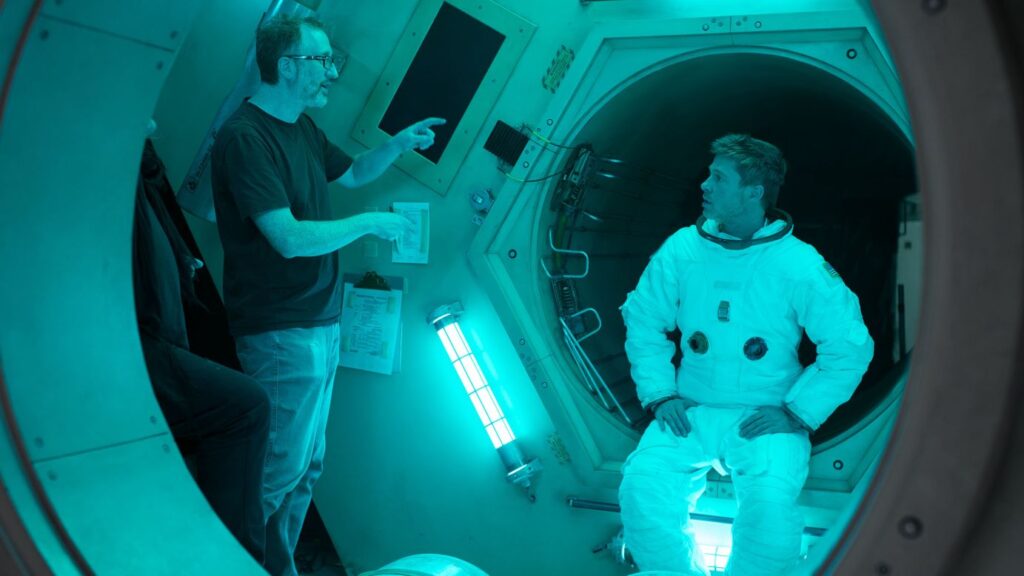
Born: April 14, 1969, in New York, New York
Essential films: “We Own the Night,” “Two Lovers,” “The Immigrant,” “The Lost City of Z,” “Ad Astra,” “Armageddon Time”
Matthew Ellis says: “There’s a couple bands that [people] talk about and say, ‘Oh, it’s your favorite band’s favorite band.’ And I’ve always felt like James Gray is one of those directors. He’s [like] a guy from the ’70s in New York who just happens to be making films in the 2000s to 2020s. He feels like somebody of a sensibility of an earlier moment, [but] plopped into our own world—and therefore reflecting our own world back to us through that earlier sensibility. And I love that.”
Listen to more of Matthew’s analysis of James Gray on the Fools Who Dream Movies Podcast.
Ang Lee
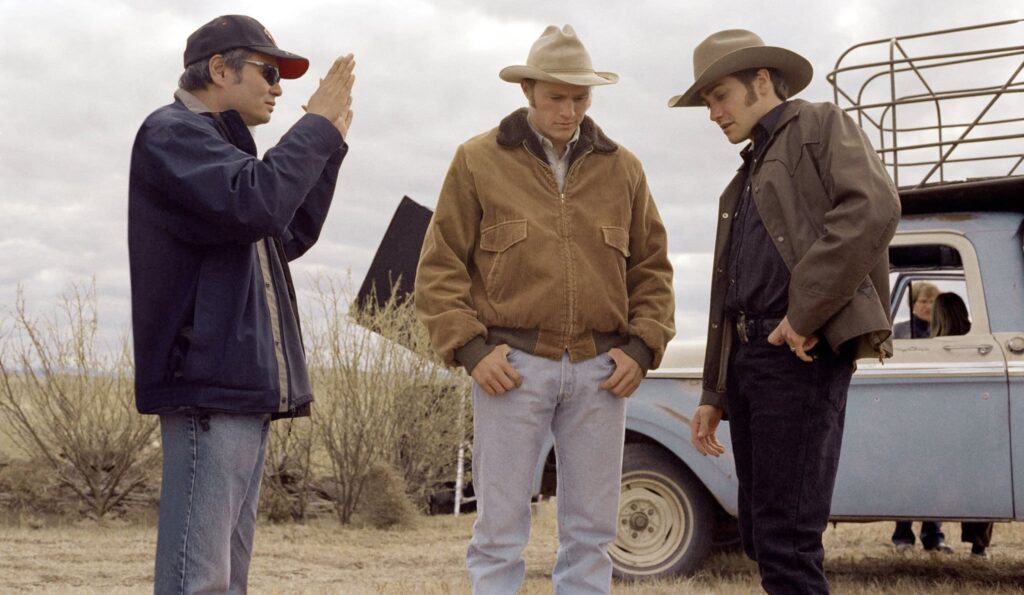
Born: October 23, 1954, in Chaozhou Township, Taiwan
Essential films: “The Wedding Banquet,” “Eat Drink Man Woman,” “Sense and Sensibility,” “The Ice Storm,” “Crouching Tiger, Hidden Dragon,” “Brokeback Mountain,” “Life of Pi”
Chase Hutchinson says: “What made his work impactful was that he was tapping into these deeply, emotionally resonant portraits of different eras and times and genres that always had a care for the characters—even when they were action melodramas, period dramas, or modern class satires about people being unhappy. You always felt like the characters were deeply lived in.”
Listen to more of Chase’s analysis of Ang Lee on the Fools Who Dream Movies Podcast.
Terrence Malick
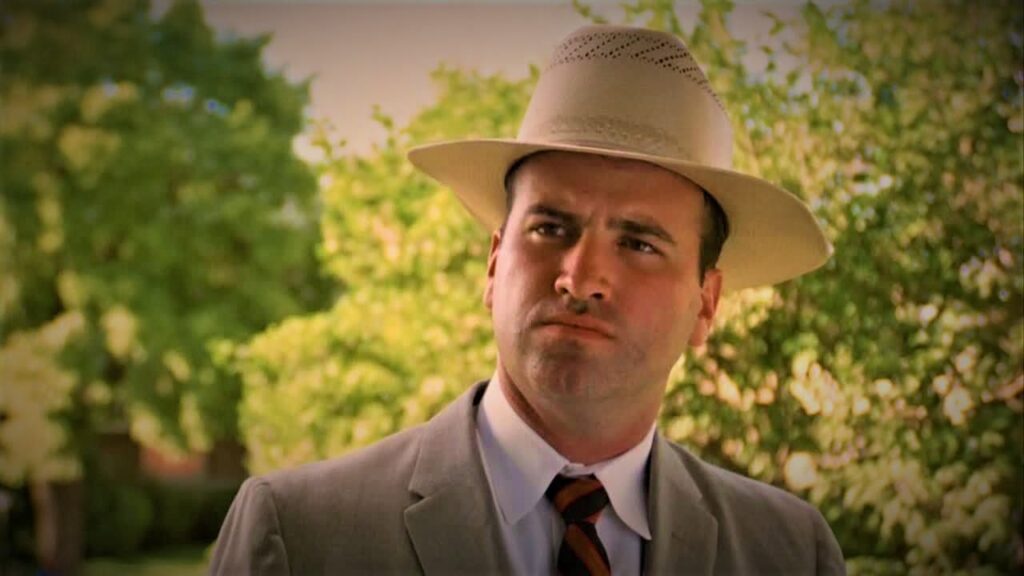
Born: November 30, 1943, in Ottawa, Illinois
Essential films: “Badlands,” “Days of Heaven,” “The Thin Red Line,” “The Tree of Life,” “To the Wonder,” “Knight of Cups,” “Song to Song,” “A Hidden Life”
Bennett Campbell Ferguson says: “The way he tells stories—you see one of his movies, it makes you more empathetic. You get in touch with the emotions of the characters, and ultimately, maybe more in touch with your own emotions. He’s one of those filmmakers where I feel like his work is not only an achievement; it’s a gift to anyone who beholds it. I almost can’t even believe that we have as great a treasure as Terrence Malick alive when we’re alive.”
Listen to more of Bennett’s analysis of Terrence Malick on the Fools Who Dream Movies Podcast.
Nancy Meyers
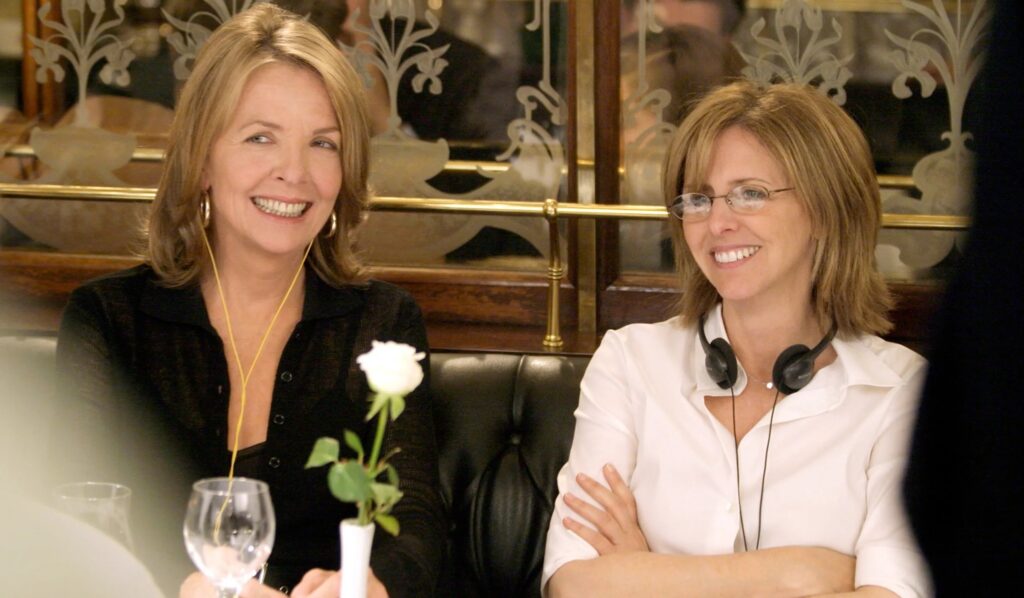
Born: December 8, 1949, in Philadelphia, Pennsylvania
Essential films: “The Parent Trap,” “The Holiday,” “It’s Complicated,” “The Intern”
Linda Ferguson says: “Life does not stop at 21 or 35. So many interesting things happen, and I think it’s wonderful to delve into that and celebrate it and laugh at the foibles of ourselves as we get older. We make just as many screw-ups as younger people do! As an older woman, [Meyers] has this knowledge and these observations. And [it would be] like holding back your treasure to only tell stories about younger people.”
Listen to more of Linda’s analysis of Nancy Meyers on the Fools Who Dream Movies Podcast.
Christopher Nolan
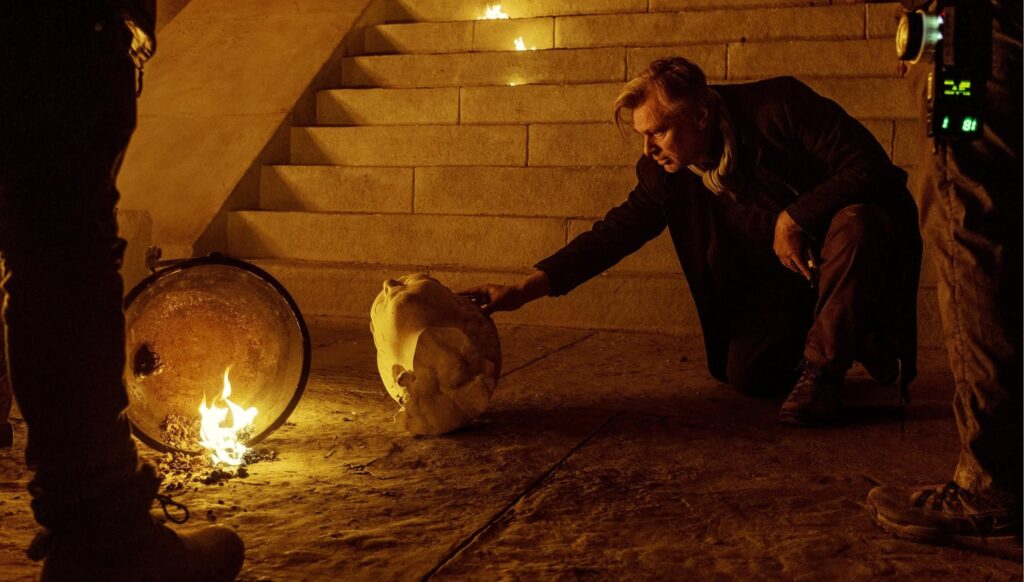
Born: July 30, 1970, in London, United Kingdom
Essential films: “Memento,” “The Prestige,” “The Dark Knight,” “Inception,” “Interstellar,” “Dunkirk,” “Oppenheimer,” “The Odyssey”
Patrick Belin says: “He puts his audience inside of the characters’ heads. You know what their motivations are, you know how they see the world. It just makes me, as an audience member, want to be more involved in the storytelling. Who started this trend of saying Nolan’s films are cold? Because I feel the complete opposite.”
Listen to more of Patrick’s analysis of Christopher Nolan on the Fools Who Dream Movies Podcast.
Kelly Reichardt
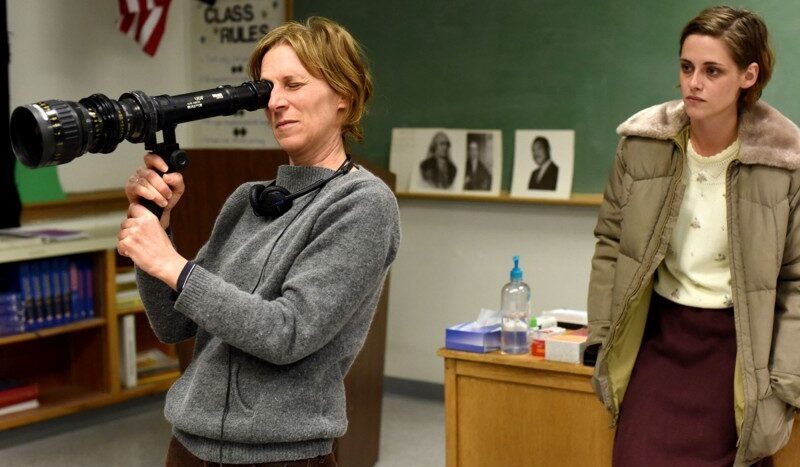
Born: March 3, 1964, in Miami, Florida
Essential films: “Old Joy,” “Wendy and Lucy,” “Meek’s Cutoff,” “First Cow,” “The Mastermind”
Chance Solem-Pfeifer says: “I think about the ground and the water in her movies constantly. My breathing changes when [I watch] the opening credits of a Kelly Reichardt movie. I’m being brought into a slower, more meditative, more challenging experience than my daily life. And I love when a movie can do that to me.”
Listen to more of Chance’s analysis of Kelly Reichardt on the Fools Who Dream Movies Podcast.
Ridley Scott
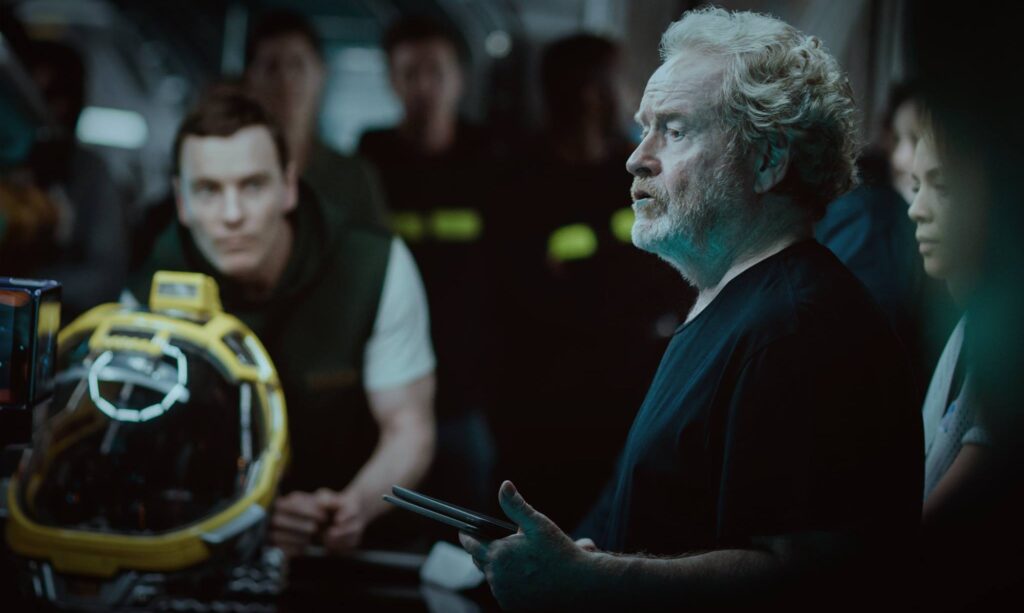
Born: November 30, 1937, in South Shields, United Kingdom
Essential films: “Alien,” “Blade Runner,” “Thelma & Louise,” “Gladiator,” “Black Hawk Down,” “Kingdom of Heaven,” “American Gangster,” “The Counselor,” “The Martian,” “The Last Duel,” “House of Gucci”
Miguel Sanchez-Rutledge says: “What separates us from every other species on this planet? He’s really exploring all these different aspects of what it is to be human. He’s done sci-fi, he’s done horror, he’s done the buddy comedy-drama. They might not all work well, but I [respect] the fact that he’s just out there trying and continuing to produce things that aren’t super generic.”
Listen to more of Miguel’s analysis of Ridley Scott on the Fools Who Dream Movies Podcast.
Steven Spielberg
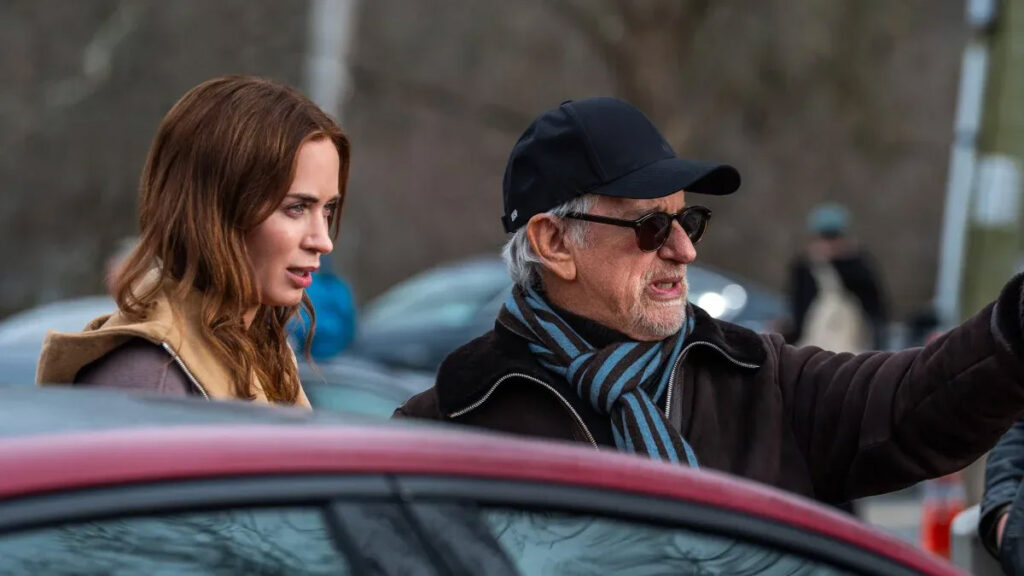
Born: December 18, 1946, in Cincinnati, Ohio
Essential films: “Jaws,” “Close Encounters of the Third Kind,” “Raiders of the Lost Ark,” “E.T. the Extraterrestrial,” “Jurassic Park,” “Schindler’s List,” “Catch Me If You Can,” “Bridge of Spies,” “Disclosure Day”
Josh O’Rourke says: “I think most people see his movies as simplistic and maybe overly positive in a lot of ways—despite ‘Bridge of Spies,’ ‘Schindler’s List,’ and ‘Munich.’ He kind of makes it look easy. That doesn’t make [his films] any less important. The guy has to keep telling stories.”
Listen to more of Josh’s analysis of Steven Spielberg on the Fools Who Dream Movies Podcast.
Edgar Wright
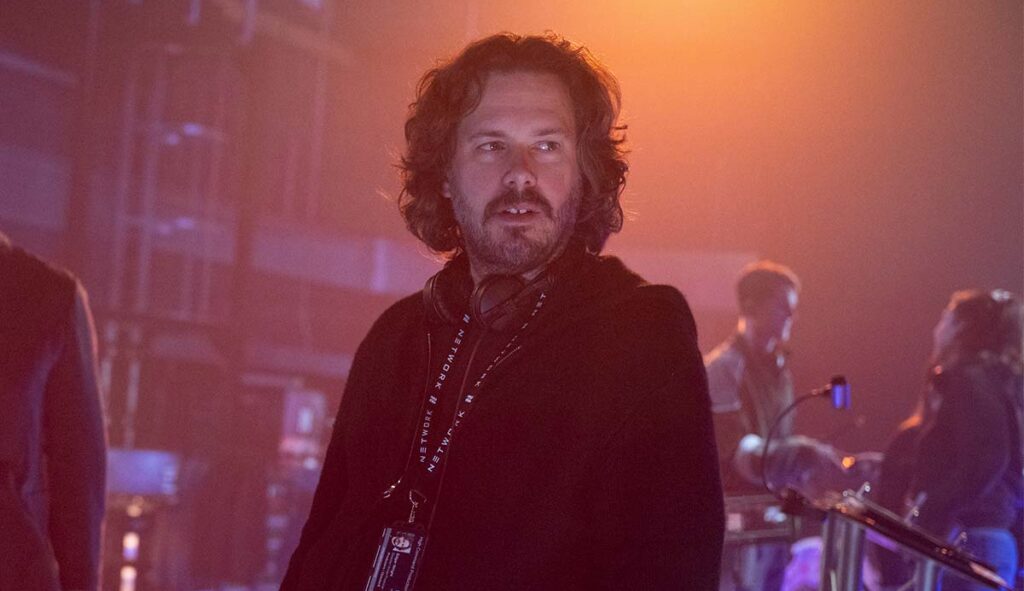
Born: April 18, 1974, in Poole, United Kingdom
Essential films: “Shaun of the Dead,” “Hot Fuzz,” “Scott Pilgrim vs. the World,” “The World’s End,” “Baby Driver,” “Last Night in Soho”
Morgan Shaunette says: “[‘Last Night in Soho’ and ‘The World’s End’] are both movies about toxic nostalgia and the perils therein. It feels like self-examination for Wright, because he is like Ellie Turner in ‘Last Night in Soho.’ He’s someone who adores the Swinging Sixties and the Soho vibe…but is also aware it’s still the sixties. There’s a lot of darkness hiding in corners.”
Listen to more of Morgan’s analysis of Edgar Wright on the Fools Who Dream Movies Podcast.